
Founder burnout rarely begins with a calendar crisis. It begins with a nervous system that has been running in survival mode for too long.
When pressure feels like performance, your nervous system is running the show. That’s why nervous system regulation matters more than your next win.
The problem is that this somatic loop is hardest to spot when things are going well.
Because the quiet tragedy of entrepreneurship — and the human experience more broadly — is the myth of “I’ll be happy when...”
I’ll be happy when...
...the funding lands
...the podcast charts
...the followers climb
[insert your own marker of success 🫣] that fuels your belief that happiness lives on the other side of achievement.
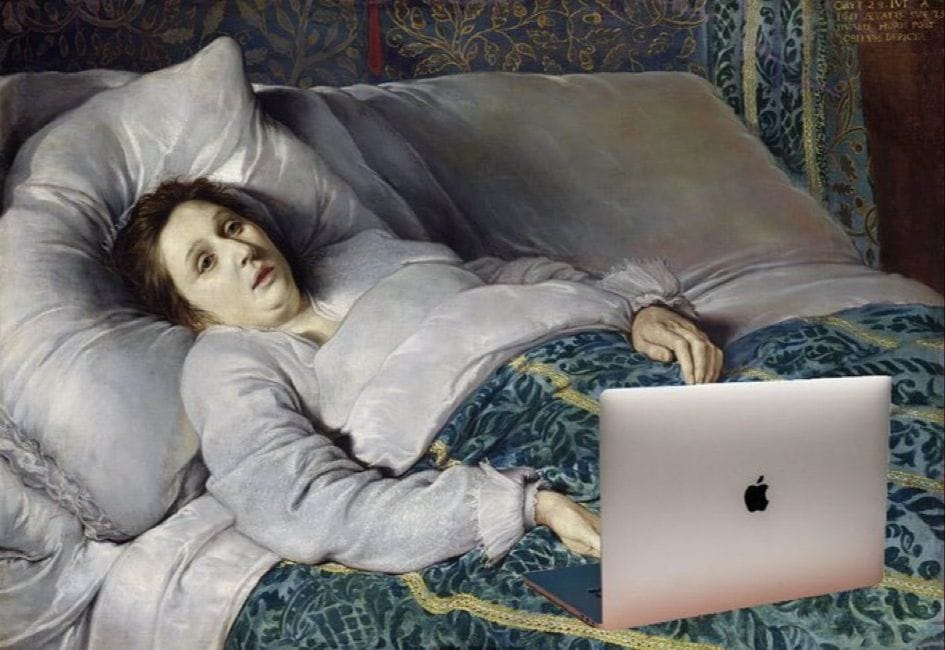
Hedonic Adaptation: Why the win never lasts
Psychology has a name for what happens next.
Hedonic adaptation — sometimes called the hedonic treadmill — describes our tendency to quickly adjust to improved circumstances.
The promotion. The revenue jump. The milestone.
What once felt extraordinary soon feels normal.
So a gap forms between where you are and where you think happiness lives.
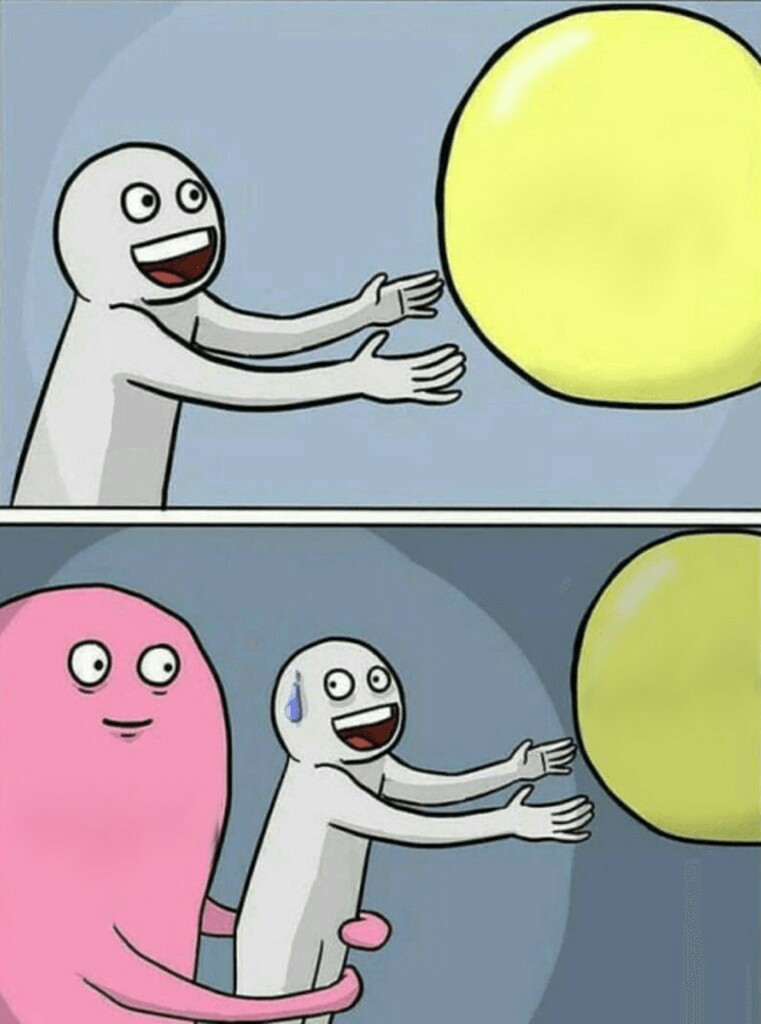
For a few hours — maybe a day — everything feels aligned.
And then it’s gone. Like someone flicked a switch.
Yesterday’s extraordinary becomes today’s baseline.
The win that once felt expansive now feels expected.
So you set a new “when.” And another.
Success becomes a moving target. Ambition acts as drug.
And nobody says the quiet part out loud: there is no top of the mountain. The finish line isn’t real.
This is the quiet tragedy of entrepreneurship.
Not the late nights.
Not the financial risk.
Most founders make peace with those.
It’s the slow realisation that the person you have to become is harder than the business itself.
And that becoming doesn’t happen in your mindset.
It happens in your nervous system.
The runaway train beneath the surface
Dr Elissa Epel, Professor of Psychiatry at the University of California, San Francisco, has spent decades studying stress and wellbeing.
Her research shows that the exhilaration we feel in peak moments is neurologically designed to be short-lived.
That burst of reward chemistry once reinforced survival behaviours — hunt, gather, secure safety.
It was never meant to be permanent. But when the next milestone is always within reach, that circuitry doesn’t switch off.
Over time, this leaves you feeling dissatisfied because your nervous system adapts to the chaos.
It mistakes urgency for normal and narrows the range of stress you can tolerate before tipping into anxiety, shutdown, or both.
Research bears this out. Studies consistently show that people who believe they should always feel happy report being among the unhappiest.
Maisie Nicholls, an accredited EMDR therapist who specialises in working with leaders, founders, and high performers, puts it simply:
"Your nervous system is connecting your brain to your body and allowing what's going on inside of you to scan your environment, bring that information back, and help your brain decide whether or not you're safe or whether or not you're at risk."
And for neurodivergent founders, particularly those with ADHD where the dopamine-seeking loop is already wired to chase novelty and reward, this pattern can be especially intense.
Widening the window
If burnout begins in the nervous system, recovery does too.
The goal is not to eliminate stress or introduce another productivity system.
Instead, it is to widen what psychologists call your window of tolerance — the range in which you can handle pressure without tipping into anxiety or shutdown.
Coined by Psychiatrist Dan Siegel, the window of tolerance describes the zone in which you can handle stress without tipping over.
Think of it as a river.
When the river is wide, the current is manageable. You can navigate challenges, absorb stress, and return to equilibrium.
When the river narrows, through chronic stress, trauma, sleep deprivation, or simply the relentless pace of building a business, even small disruptions knock you sideways.
A minor client complaint sends you into a spiral.
A delayed payment triggers disproportionate anxiety.
An offhand comment from a co-founder ruins your entire afternoon.
As Maisie puts it:
"The sign of a healthy nervous system is being able to move between these states and not get stuck.
You cannot mindset your way out of sympathetic activation. You regulate your way out. Here's how
Complete the stress cycle
Stress isn’t the problem. Unfinished stress is. When you move from call to call, launch to launch, decision to decision without letting your body come back down, activation stacks.
Teach your nervous system that the threat has passed when you:
- Enjoy a five-minute walk without stimulation.
- Take ten slow breaths where the exhale is longer than the inhale.
- Shake out your arms and shoulders after a tense conversation.
Reduce artificial dopamine spikes
If you are a founder with ADHD, this matters even more.
Notifications. Metrics. Refreshing dashboards. Each one delivers a micro-hit. The brain learns: spike equals relief.
Start creating positive friction when you:
- Turn off non-essential notifications.
- Build work blocks without digital interruption
- Stop checking your phone first thing in the morning
Steadiness may feel flat at first. Just know, you are experience recalibration through essential boredom.
Train safety, not intensity
Regulation is about gentle repetition. Here's a truth that will land for anyone who's ever lain awake at 2am with a racing mind: anxious creatives don't struggle with sleep. They struggle with transitioning from doing to being.
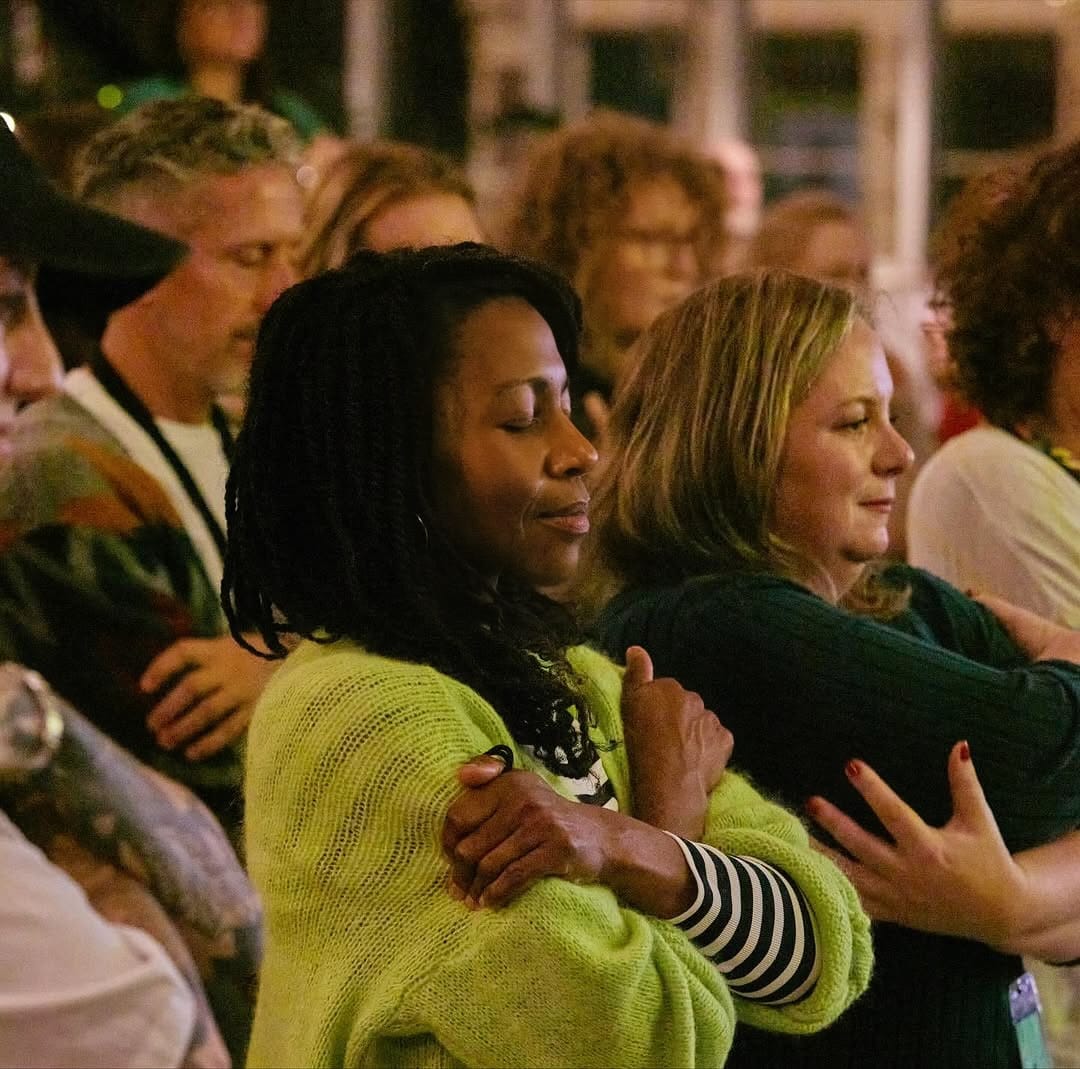
A "butterfly hug" is when you cross your arms over your chest and gently tap left, right, left, right.
Redefine productivity
If pressure feels like performance, calm will feel like laziness.
But, a regulated nervous system makes better decisions. Sustains creative output longer. Builds more resilient companies.
The founder who can regulate their nervous system isn’t less ambitious.
They’re more durable.
Member discussion