An environmental claim does not have to be an outright lie to damage trust.
It can be technically true and still create an impression that the evidence does not support.
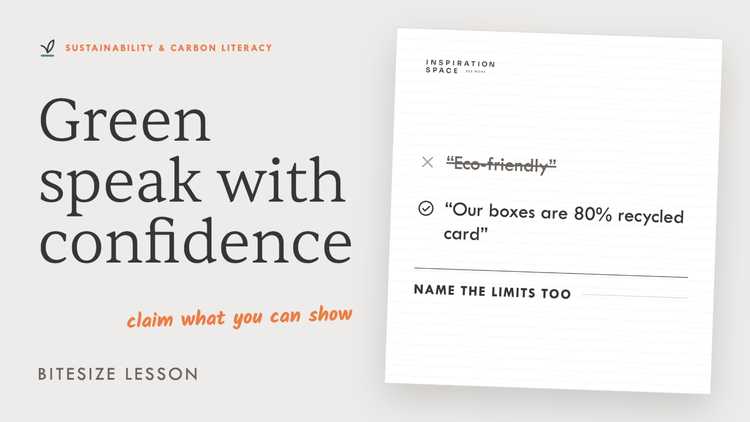
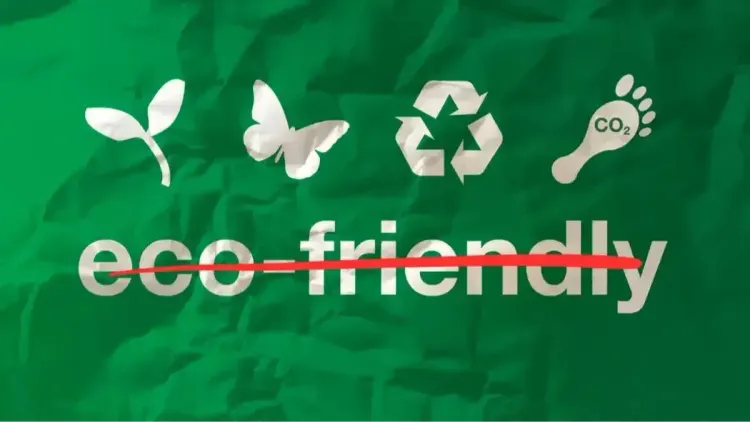
A recycled component becomes a “sustainable product”. A reduction in one part of the process becomes “better for the planet”. An image of forests and clear water quietly does work the copy could never defend.
Customers, regulators, employees and campaigners have become much better at spotting the gap.
Why it matters
In July 2026, the Advertising Standards Authority published updated guidance on misleading environmental claims and social responsibility.
Its position is not especially mysterious: the basis of a claim must be clear, important information cannot be omitted and the wording must match the evidence.
The consequences are no longer limited to an awkward ruling and a pulled advert.
The Competition and Markets Authority can now enforce consumer law directly. Penalties for an infringement can reach 10% of worldwide turnover or £300,000, whichever is higher.
For smaller businesses, however, the reputational cost may arrive first.
You can lose a customer’s confidence in one screenshot. Winning it back takes considerably longer.
Why marketers need carbon literacy
Carbon literacy does not mean memorising every emissions factor or becoming the unpaid sustainability department.
It means understanding enough to ask useful questions.
- Is this an absolute claim or a limited one?
- Does the evidence cover the entire product lifecycle?
- Are reductions measured, estimated or purchased through offsets?
- What is the comparison and when was it measured?
- Would the customer understand what has—and has not—improved?
Without that basic literacy, marketers can turn a legitimate piece of progress into a much larger promise simply because the larger promise sounds better in a headline.
The reputational-risk test
Before publishing, imagine the claim has been removed from the campaign and placed beside the underlying evidence.
Would the two still look like they belong together?
Then imagine an employee, customer or journalist explaining the missing context in public.
If that version would make the campaign feel embarrassing, the claim is not ready.
What to do next
Create a simple claims register for every environmental statement currently in use.
Record the exact wording, where it appears, what evidence supports it, who checked it and when it needs reviewing.
Include visual claims too. Colours, photographs, symbols and labels can create an environmental impression even when the copy avoids saying anything specific.
Then give one person permission to stop publication when the evidence and the sentence do not match.
The safest marketing is not silent marketing.
It is specific, useful and able to survive somebody asking: “Can you prove that?”
Sources
ASA: misleading environmental claims and social responsibility in advertising