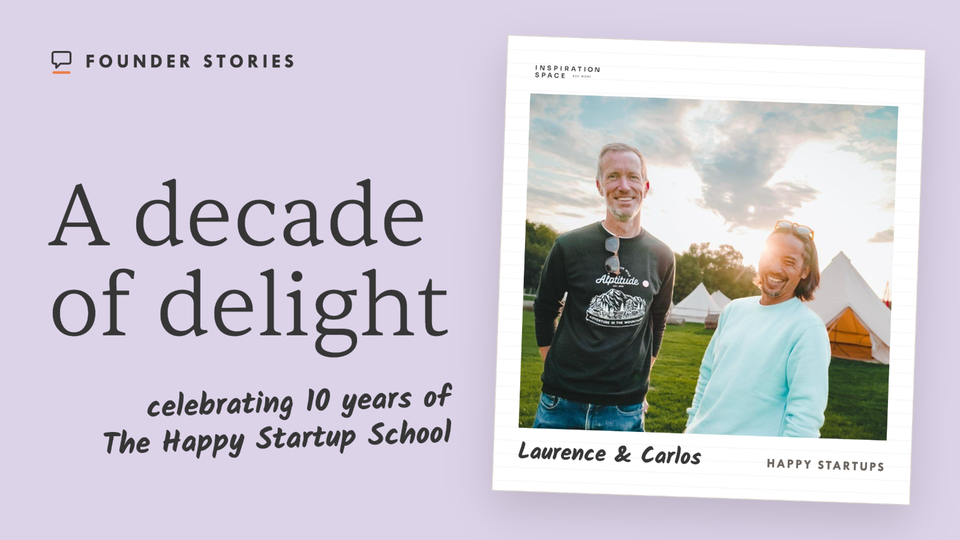
Friends since the age of seven, Laurence McCahill and Carlos Saba started Spook Studio, a digital agency, in 2004.
They built a team, worked with great clients and helped entrepreneurs bring their ideas to life.
Along the way, they became increasingly interested in questions that didn't usually appear in a web design brief.
Why did someone want to start this business in the first place?
What really mattered to them?
What did they hope it would change?
They were asking themselves similar questions. Laurence wanted more room for creativity and a greater sense of purpose behind the work.
Carlos wanted freedom, connection, and the feeling of being useful.
The Happy Startup School began with those conversations. Working out how it could support them took considerably longer.
A new idea, without all the answers
The Happy Startup School started alongside the agency. Inspired by ideas about entrepreneurship, personal development and happiness, Carlos and Laurence began sharing their thinking and bringing people together.
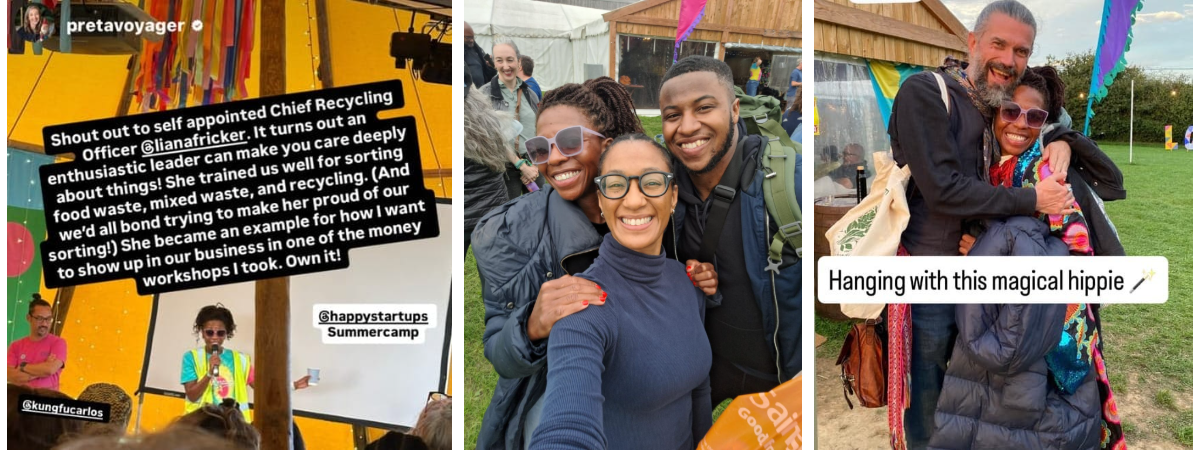
You might know it through Summercamp, their annual gathering on a farm that brings entrepreneurs together for conversations, learning, and fun.
Behind those experiences were years of figuring out how to make the business work for its founders, too.
Events and conversations gradually became a community, while client work continued paying the bills.
"It wasn't an overnight thing, which at the time I found frustrating," Laurence said.
With the agency, they'd tried to look bigger and more established than they were.
But with The Happy Startup School, sharing an unfinished idea brought people towards them.
Carlos was less comfortable with the uncertainty. He describes joining "kicking and screaming".
He could see the appeal, but he couldn't see the revenue model or what his role would be.
Laurence had what he calls "generally blind faith". Carlos wanted a rationale.
Their friendship helped them keep going, but they still had to learn how differently they approached risk.
Every business comes with a lifestyle
For Carlos, there was a clear difference between their two ventures.
"When I started the agency, I was looking to build a business. When I started The Happy Startup School, I was looking to create a lifestyle."
He knew "lifestyle business" could sound dismissive. His point was that every business creates a way of living, whether you choose it deliberately or find yourself caught up in it.
"Whatever business you create, you will have a lifestyle as a result of it," he said.
"It just depends on how conscious you are in choosing that lifestyle."
Carlos knew what he wanted to leave behind.
He didn't yet know how they'd make the alternative financially viable.
Watch the full conversation
In this interview, Carlos and Laurence talk openly about the transition, the experiments that paid off and what they wish they’d understood sooner.
Great experiences still need to pay
Events gave them something tangible to sell. They built relationships and their reputation, but left little money to pay themselves - especially when another good idea stretched the budget.
They could return from a retreat “penniless, but having had a great experience and lots of new friends”, Laurence said.
Running events alongside courses and a community eventually left them overwhelmed.
From the outside, that wasn’t obvious. I first came across The Happy Startup School in 2018 and thought they were doing exactly what I wanted to do, making it look easy.
Laurence remembers wondering why it didn’t feel easier by then.
They needed to look at whether the work could support them without taking up all their time.
For Carlos, that meant starting with two questions: how much money do you need, and how much do you want to work?
An event could cover its costs while paying very little once every hour was counted. Their coaching work offered a better financial return for the time involved.
As their savings dwindled, they brought years of experience together into a programme they could run repeatedly and improve, rather than constantly creating something new.
Called Vision 20/20 at the time of the interview, it’s now Happy MBA.
The programme has become the “bread and butter” of the business, giving them a more dependable source of income.
Summercamp remains important, but serves a different purpose: bringing the community together for what Laurence calls their “AGM on a farm”.
Some signs of success are easier to count than others
Carlos's simplest financial check is: "Are you making more money than you spend?"
Programme income, paying members and people returning to events helped them see whether the business could keep going.
The community's value showed up in less tidy ways: people asking for help, having honest conversations, making friends and meeting up without the founders arranging it.
"That's community," Carlos said.
A photo of members together in a park could tell him more than a platform's activity figures.
They needed a business model that allowed those things to keep happening.
What they wish they'd done (and known) sooner
Laurence would've trusted his instincts earlier when a client or collaborator didn't feel right.
He would've asked for support sooner, too.
"Don't try and struggle on your own," he said. "It can be a really lonely place being a founder."
Carlos would've started therapy earlier.
"Not because I'm broken, but because I didn't know myself."
Knowing how to run a business helped them get started. Understanding themselves helped them work out which business they wanted to run.
If you're questioning your own working life, you don't need a neatly mapped-out replacement.
But it helps to get specific: what needs to change - the work, the people, the income or the time it takes?
Keep Exploring
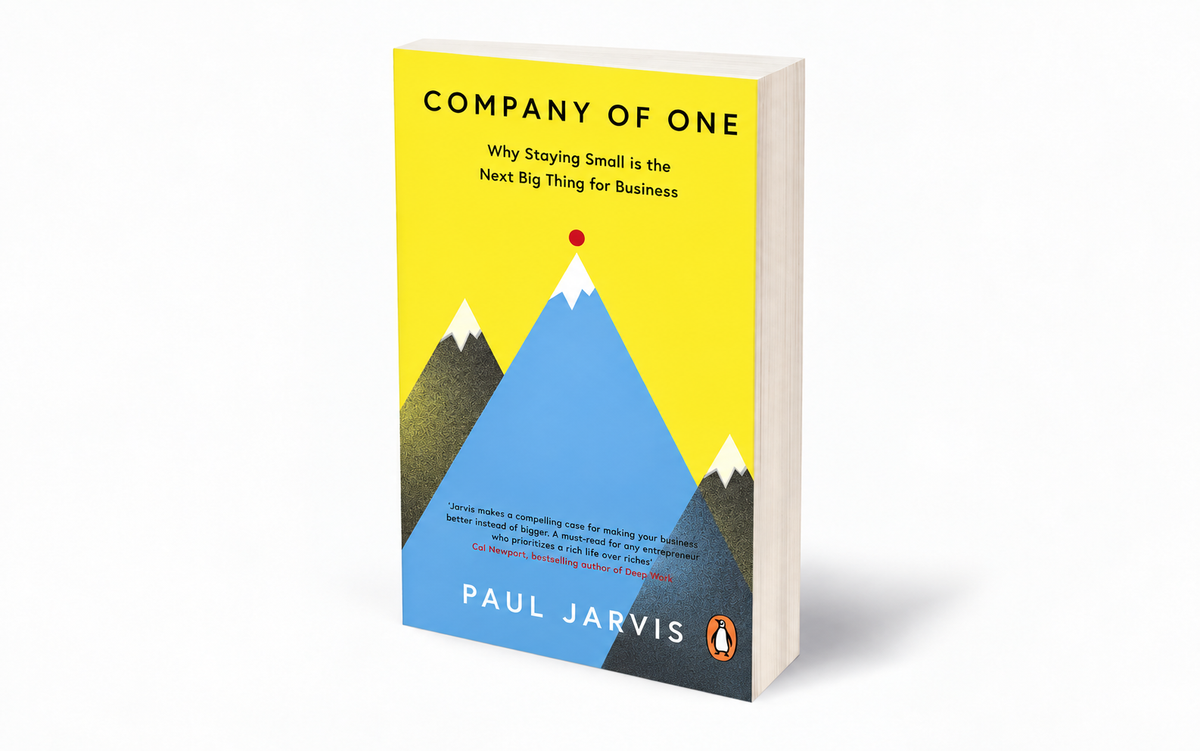
Company of One: Why Staying Small is the Next Big Thing for Business, by Paul Jarvis
Explore the benefits and limits of deliberately keeping a business small, and what success could look like beyond growth. Read the review in our Directory.
 Inspiration Space
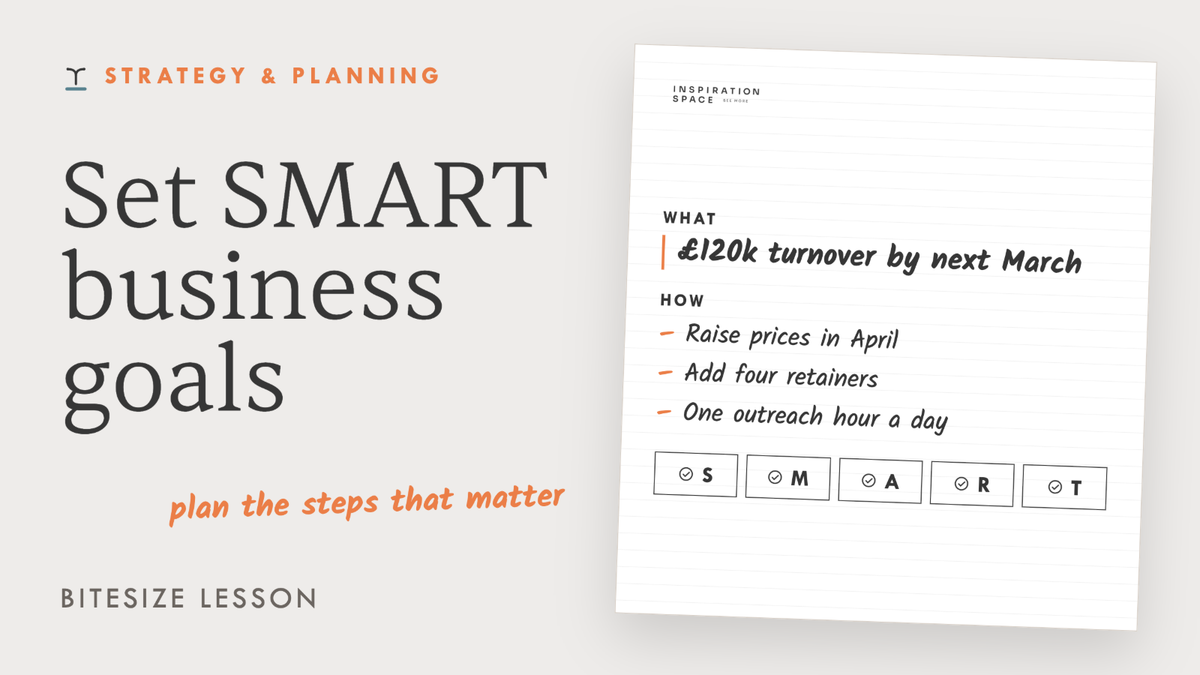
How to set SMART business goals
Turn what you want to achieve into a clear goal, with a number, a deadline and practical steps you can review. Watch & Learn in the Library.
 Inspiration Space
How to assess your business environment
Considering a change to your offer or business model? Identify the outside changes that could affect your customers, costs and delivery, then decide what needs action. Get the guide and ChatGPT-friendly prompts.
 Inspiration Space