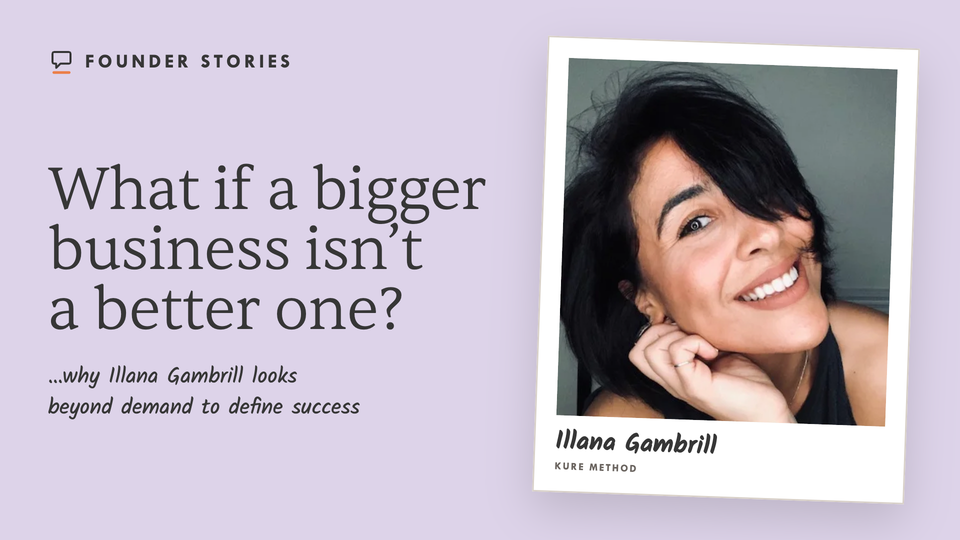
Illana Gambrill turned her love of dance into DanceBox. Classes filled and, when the pandemic moved them online, demand grew rapidly. But a full room and a growing subscriber list did not answer every question about the business.
The big idea
Illana had worked as a professional dancer, but the industry had become an environment she no longer wanted to stay in.
Leaving was difficult: during our conversation, she describes the shame she felt stepping away while her friends continued along the path they had trained for together.
Teaching adults who had never danced before offered another way to use the craft she loved. Watching them grow in confidence prompted her to start DanceBox, offering dance classes for people without a professional background.
She tested the idea by hiring space at a local school, asking friends and family to come along and using their feedback.
A local magazine feature and social media helped more people discover the classes. As a waiting list developed, she added another class.
The turning point
When Covid stopped in-person classes, Illana moved online from her mother’s living room. She reported reaching 600 subscribers within two weeks. The move meant she could reach people beyond a local room, but it also increased the demands on her.
Illana describes reaching a breaking point after years of putting the business and its community ahead of herself. She took time away and began to speak more openly about rest and the limits of measuring success by how busy she was.
How she built it
Illana used savings and income from other work to get started. She kept costs down and reinvested the money from classes. Her former husband helped with rent, support she acknowledges is not available to everyone.
Her early investments included branding and a website. She also asked an accountant known to her family to explain the financial basics and later work with her. Illana says it took five years before she began to earn a meaningful income from DanceBox.
Where she is now: Since this conversation, Illana has gone on to lead The KURE Method, a movement centred on movement, expression and what she calls radical healing. This story refers to DanceBox because that was the business discussed in the original interview.
Food for thought
A few things in Illana’s story are worth thinking about:
- Demand can show that people value an offer. It also raises questions about how much work its delivery requires and who carries it.
- A small test can reveal whether people will come back and what they value before a founder commits to larger premises or a team.
- Revenue, personal income and capacity are different measures. A busy business can still take years to provide its founder with a meaningful income.
If demand doubled tomorrow, what would happen to the quality of the work and to the person expected to deliver it?
What may not transfer
Illana brought professional dance experience, performance skills and personal relationships to DanceBox. She also had savings, income from other work and help with rent. Those starting conditions made a difference to how she could test and sustain the business.
The subscriber figures describe a particular moment during Covid, when people’s routines and demand for online classes changed sharply. They are not a benchmark for a new business today.
Listen to the full conversation
Content note: the conversation includes discussion of mental ill health and burnout. Listen to “The Thrill of Physics” on Spotify
Keep Exploring
QuickBooks
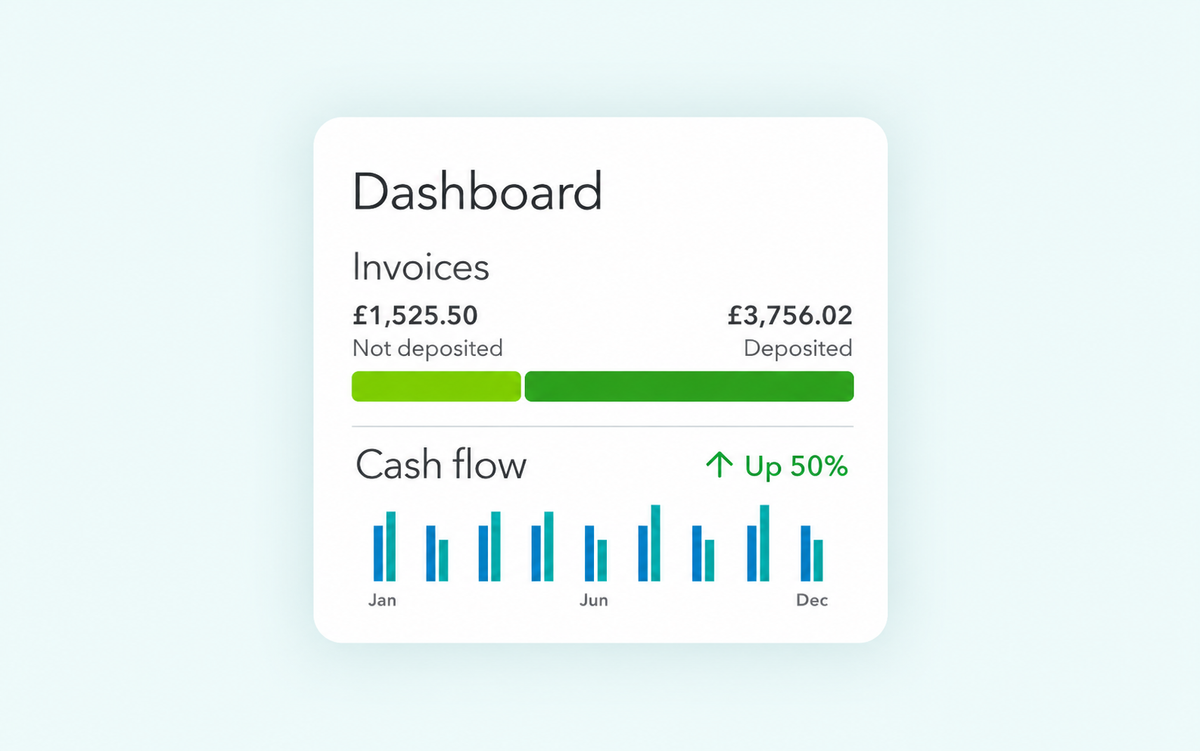
Illana talks about learning the financial side of running DanceBox and asking an accountant for help. QuickBooks can help you keep track of your income and expenses as your business grows. Explore QuickBooks in the Directory.
 Inspiration Space
Get Ahead VA
When demand grows, so can the number of tasks competing for your attention. Explore how a virtual assistant could take some of that work off your plate. Discover Get Ahead VA in the Directory.
 Inspiration Space

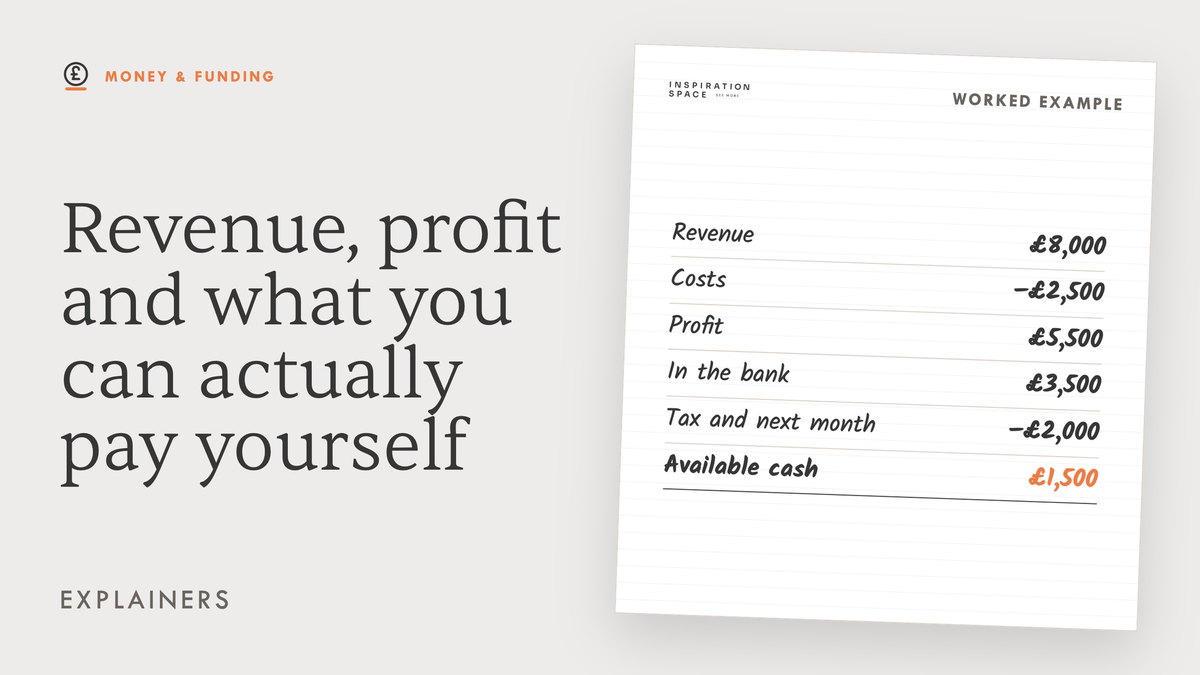
Revenue, profit and what you can actually pay yourself
Illana’s classes were popular, but it took years before she earned a meaningful income from DanceBox.
Understand the difference between the money coming into your business, what’s left after costs and what you can pay yourself. Read the Explainer in the Library.
 Inspiration Space