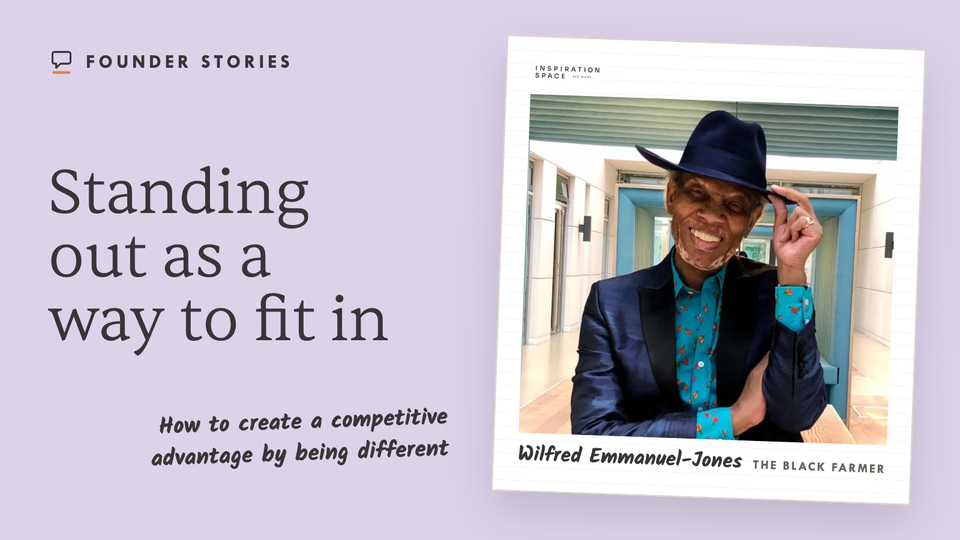
Wilfred Emmanuel-Jones spent years working towards a childhood promise to own a farm. When he finally got there, he turned the name local farmers gave him into The Black Farmer - a brand that made his difference impossible to ignore.
Listen to the interview
In Fearless Growth, Wilfred talks about pursuing his ambition, building The Black Farmer and deciding when standing apart matters more than belonging.
A promise to own land
Born in Jamaica and raised in inner-city Birmingham, Wilfred discovered growing food through his father’s allotment.
It helped feed the family, but it also gave him something he couldn’t find elsewhere: space and possibility.
He decided that one day he’d own a farm.
“I didn’t know how I was going to do it, but it was a promise that I lodged into the back of my mind.”
Getting there took several careers. Wilfred left school without qualifications, having struggled with undiagnosed dyslexia.
He worked as a chef, then became a BBC producer and director. In 1994, he started a food-and-drink marketing agency. Six years later, he bought a farm in Devon.
His earlier work gave him skills, contacts and the money to pursue his ambition. The route wasn’t straightforward, but the destination stayed with him.
Learning to value a different way of thinking
Dyslexia made school difficult. Later, Wilfred came to see value in the way his mind worked.
“When you’re dyslexic, your brain has to think about things in a different way to solve problems.”
That didn’t erase the difficulties. But it changed how he understood an experience he’d once seen only as a disadvantage.
Thinking differently would also shape his approach to an industry where he didn’t fit the expected profile.
Turning a label into a brand
Local farmers called him “The Black Farmer”. Wilfred chose to put the name on his products.
It made his difference visible and gave customers something to remember in a crowded food aisle. It also challenged assumptions about who belonged in British farming and whose products belonged on supermarket shelves.
His marketing experience helped him recognise the potential in a name others might’ve avoided. Rather than trying to look like everyone else, he built a brand around the person he was.
That choice came with scrutiny. Making his identity central to the business meant putting himself in public view, too.
You don’t have to make every part of yourself part of your brand. But his decision raises a useful question: could something you’ve learnt to play down help people understand what makes your work distinctive?
Being yourself can mean standing apart
“You’ve either got to decide to be or belong.”
For Wilfred, belonging can come with an expectation that you’ll follow the group’s rules. Building something different sometimes means disappointing people or choosing a path they don’t understand.
That independence can be lonely. It also takes focus.
“The first thing is that you need to be ruthlessly, ruthlessly focused.”
He describes cutting out the “white noise” that distracts from what matters. In his own life, focus didn’t mean staying in one job or following a fixed plan. He changed careers while continuing to work towards the same ambition.
What’s worth taking from his story?
Wilfred’s path depended on experience, relationships and access to money. Buying land is a substantial barrier, and determination alone doesn’t remove it.
But there’s something useful in how he joined the pieces of his life together. His television and marketing careers helped him reach the farm. His experience of being an outsider helped shape the brand.
Which part of your experience could become an advantage in your work — and what would you need to make that happen?
Keep exploring
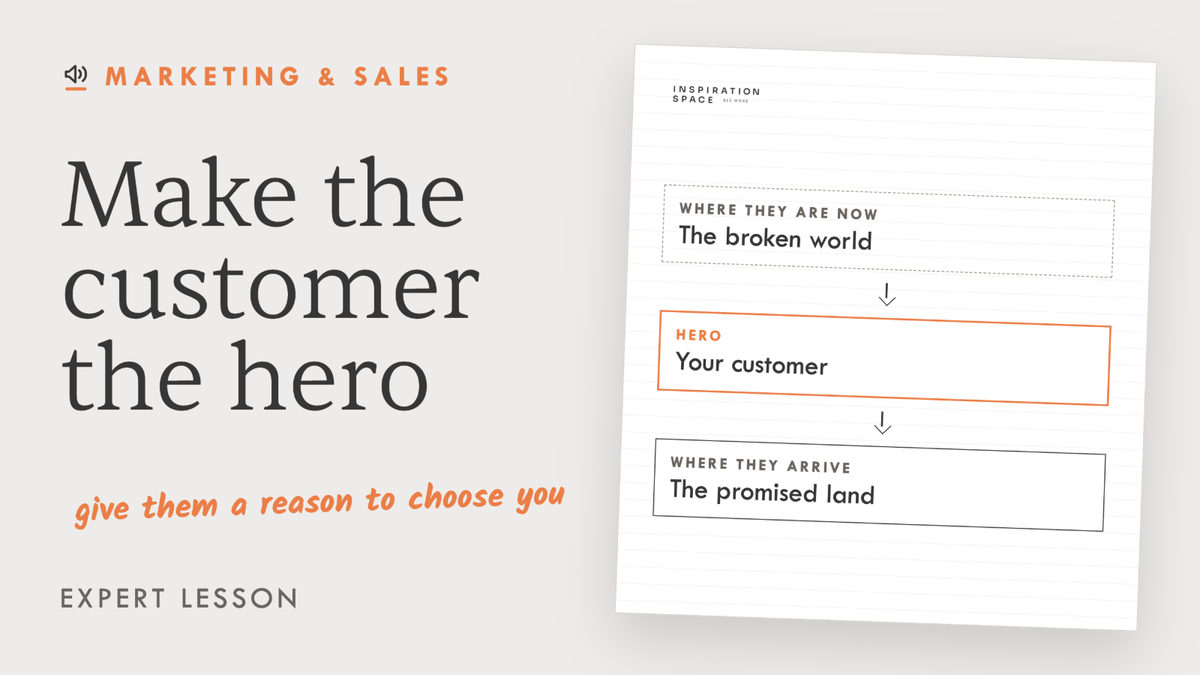
How to talk about your business like a brand
Make your message more distinctive while keeping it relevant to the people you want to reach. Watch & Learn in the Library.
 Inspiration Space
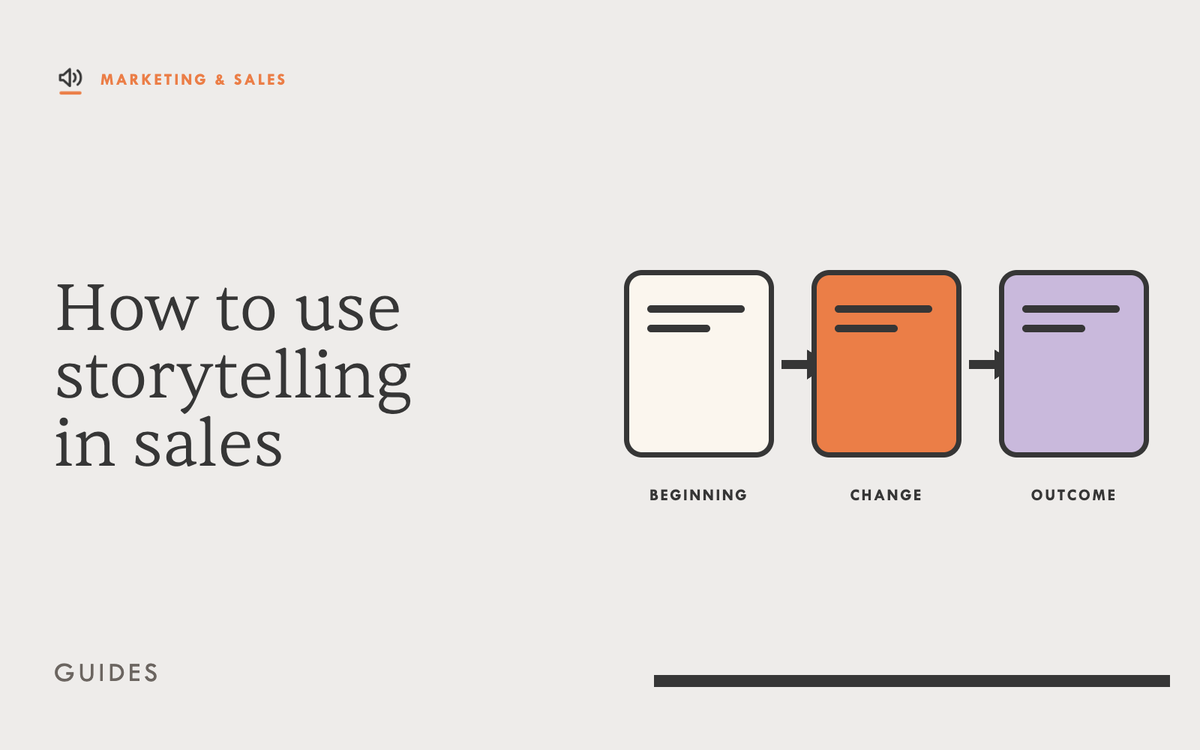
How to use storytelling in sales
Turn your experience and customer results into stories that help people understand the value of your work. Get the guide in the Library.
 Inspiration Space
Clare Yarwood-White: brand strategy and writing
Need help finding the words? Explore support with positioning, naming, tone of voice and website copy. Meet Clare in the Directory.
 Inspiration Space